
Tomorrow is President’s Day. If you are like me, you probably don’t give it much of a second thought until you realize the mail didn’t run or if you needed to go to the bank and forgot that they were closed. Nevertheless, a study of the American presidents can be fascinating, and perhaps one of the most interesting of those men is Abraham Lincoln.
President Lincoln’s life is often remembered for its dramatic moments—log cabins, debates, proclamations, and the shadow of the Civil War. But beneath the history-book highlights lies a quieter virtue that shaped his leadership: respect. Indeed, Lincoln’s character was formed by the way he treated people with dignity.
Treating others with respect is a deeply biblical idea. Scripture consistently ties respect to humility, justice, and love—qualities Lincoln sought to embody in both his private life and public office.
Respect Begins with Seeing People as Image-Bearers
Lincoln grew up in poverty, yet he never allowed status to determine his worth. Whether splitting rails, arguing cases, or leading a fractured nation, he treated people as inherently valuable. This echoes the biblical truth that every person is made in the image of God.
- Genesis 1:27 reminds us that human dignity is not earned; it is bestowed by God.
- James 2:1–4 warns against showing favoritism, a temptation Lincoln resisted even as he rose to national prominence.
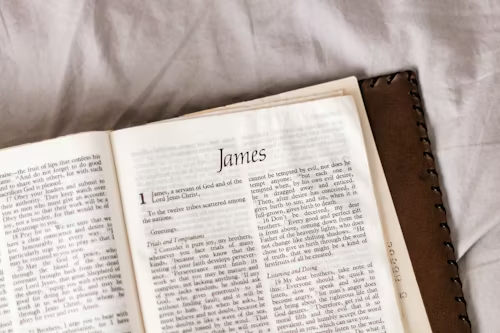
Lincoln’s habit of listening to others was a form of respect that Christians are called to imitate. As James 1:19 teaches, “Everyone should be quick to hear, slow to speak, slow to anger.” Respect begins with the posture of the heart.
Respect Shows Itself in Humility
One of Lincoln’s most striking qualities was his willingness to admit mistakes and seek counsel. He surrounded himself with strong-willed, often disagreeing advisors—his famous “team of rivals”—because he valued truth over ego.
Scripture frames this as wisdom: - Proverbs 12:15: “The way of a fool is right in his own eyes, but a wise man listens to advice.”
- Philippians 2:3 calls us to “do nothing from selfish ambition or conceit, but in humility count others more significant than yourselves.”
Lincoln’s humility served to strengthen his leadership. Respect and humility walk hand in hand.
Respect Extends Even to Those Who Oppose Us
Perhaps the most Christlike aspect of Lincoln’s character was his refusal to demonize his enemies. His second inaugural address—delivered as the war neared its end—famously called for healing “with malice toward none, with charity for all.”
This resonates deeply with Jesus’ command in Matthew 5:44 to “love your enemies and pray for those who persecute you.” Respect does not require agreement; it requires recognizing the humanity of the other, even when conflict is unavoidable.
Respect Builds Peace
Lincoln understood that a nation could not be held together by force alone. Respect—expressed through fairness, patience, and compassion—was essential for reconciliation. Paul echoes this in Romans 12:18: “If possible, so far as it depends on you, live peaceably with all.”
As Christians, we are called to be peacemakers in our homes, workplaces, and communities. Respect is the soil in which peace grows.
As we honor the office of the presidency and reflect on Lincoln’s legacy, we are reminded that leadership rooted in respect is leadership that reflects the heart of Christ. May we practice the same virtue in our daily lives—seeing others as image-bearers, listening with humility, extending grace even in disagreement, and pursuing peace wherever God has placed us.
That is the value of respect.
