Aesop’s fable “The Wolf and the Lamb” gives us a striking image for Christian reflection. In the tale a lamb drinks quietly at a stream until a wolf appears, bent on finding any pretext to attack. The wolf levels absurd and impossible accusations—claiming the lamb muddied the water, insulted him long ago, and committed other offenses—while the lamb answers each charge with calm innocence. Unmoved by truth or reason, the wolf seizes the lamb anyway. The story warns that those determined to do evil will invent justifications for their actions, and that the innocent can suffer at the hands of the unjust.
The Bible speaks to this reality with sobering clarity. Isaiah portrays the wicked as people whose “feet run to evil” and who “make haste to shed innocent blood” (Isaiah 59:7–8). Jesus himself endured the same pattern when false witnesses were brought against him (Matthew 26:59–60). The lamb’s gentle replies recall Christ’s own response: “When he was reviled, he did not revile in return…but continued entrusting himself to him who judges justly” (1 Peter 2:23). The fable thus reminds us that innocence does not always protect us from accusation, yet God sees, remembers, and will vindicate the righteous.
The wolf’s conduct also illustrates a broader biblical warning: power divorced from righteousness becomes predatory. Isaiah pronounces woe on those who “call evil good and good evil” (Isaiah 5:20), and Scripture repeatedly affirms that the Lord will judge those who pervert justice for personal gain. A temporary triumph for the wolf is no final victory; God is a God of justice, and “the Judge of all the earth shall do right” (Genesis 18:25).
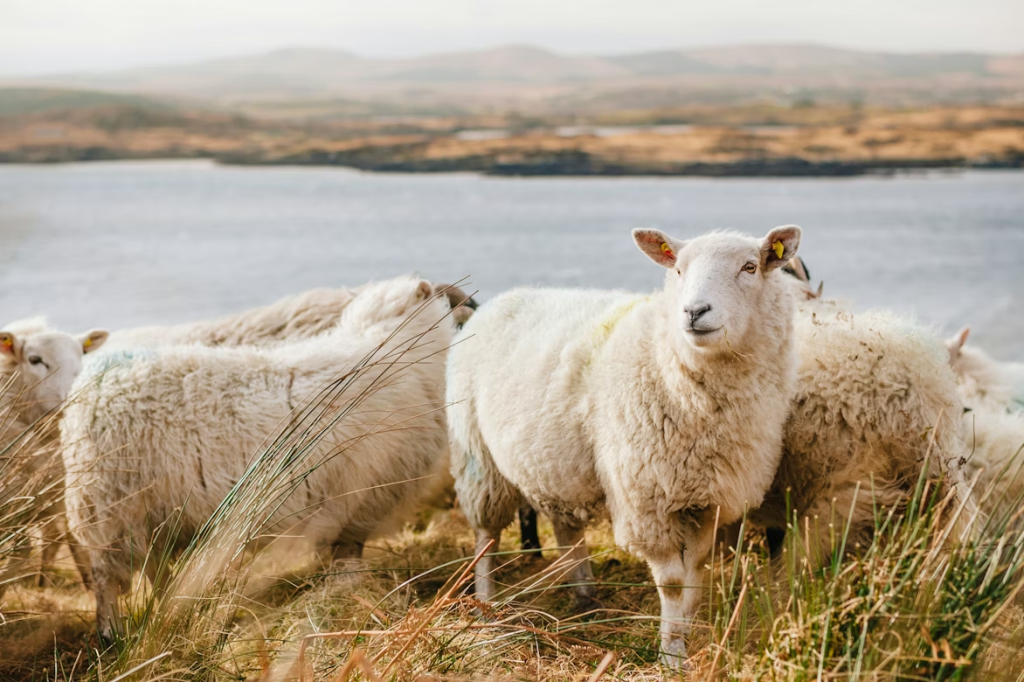
At the same time, the lamb’s vulnerability highlights God’s tender care for the weak. He is the Shepherd who “gathers the lambs in his arms” (Isaiah 40:11) and a refuge for the oppressed (Psalm 9:9). The fable gently calls the church to mirror that compassion—defending the vulnerable, speaking truth even when it costs us, and refusing to adopt the world’s predatory ways.
Aesop did not write Scripture, yet this brief story echoes biblical truth. In a world where wolves still roam, God calls his people to live with the innocence of lambs and the steady confidence of those who belong to the Good Shepherd, trusting that ultimate justice rests in his hands (Romans 12:19).
