Every year as October approaches, many Christians begin asking familiar questions about Halloween. What do we do with it? How should we think about it? Is it harmless fun, or something to avoid? These questions are not new, and they deserve thoughtful, biblical reflection rather than fear, rumor, or reaction.
The first thing we must do is clear away the fog of misinformation. Many assume Halloween is rooted in pagan rituals or ancient Celtic ceremonies. But historically, that claim does not hold up. The earliest evidence points not to paganism, but to Christian practice. The term Halloween comes from “All Hallows’ Eve,” the evening before All Saints’ Day, a Christian observance dating back to the fourth century of the church. The day was intended to honor martyrs to encourage faithfulness. In the 8th century, the day was officially recognized on November 1st. In other words, Halloween began not as a celebration of darkness, but as a vigil before the day of honoring the memory of those who had “remained faithful unto death” (cf. Revelation 2.10).
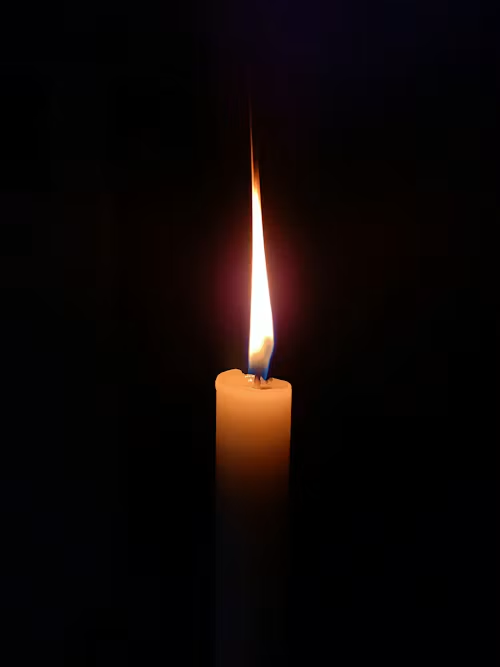
Yet even with Christian origins, the modern expression of Halloween raises understandable concerns. Images of darkness, fear, death, and the unknown are woven into its cultural fabric. Scripture places these themes in their proper context. The Bible acknowledges the reality of darkness, but never grants it the final word. “The light shines in the darkness, and the darkness has not overcome it” (John 1:5). Halloween can serve as a reminder of this truth: darkness exists, but it is not ultimate, for there is no shadow without light, but light exists independently of darkness. Indeed, evil can raise its voice but it will never have the last say! It is neither the First nor the Last! That title belongs to Christ alone! (Revelation 1.17; 22.13).
Paul writes, “Have nothing to do with the fruitless deeds of darkness, but rather expose them” (Ephesians 5:11). That verse is sometimes used to condemn any participation in Halloween. But Paul’s point is not about avoiding shadows; it is about living as people of light. The very next verse says, “For the fruit of the light consists in all goodness, righteousness, and truth” (Ephesians 5:9). Therefore, as Christians we are to be witnesses to the Lord instead of using the Lord as an excuse to withdraw from our culture.
For many families, Halloween is simply an evening of costumes, imagination, and neighborhood connection. Children dress up as firefighters, princesses, superheroes, and yes, sometimes spooky characters. They knock on doors, receive treats, and enjoy a night of innocence. There is nothing inherently sinful about joy, creativity, or community. In fact, Scripture encourages us to practice hospitality (Romans 12:13) and to be “in the world” even as we are not “of the world” (John 17:15–16).
At the same time, discernment matters. Not every expression of Halloween is edifying. We must avoid anything that glorifies evil, celebrates fear, or trivializes the spiritual forces Scripture warns us about (1 Peter 5:8). We are people of the resurrection, not people of the grave.
Perhaps the best approach is neither fear nor unthinking participation, but thoughtful engagement. Use the day to shine light, to show kindness, to meet neighbors, and to remind your children—and yourself—that Christ has conquered death. The world may play with darkness for a night, but we walk in the light of the One who overcame it forever. Wherever you land on this subject, let your choice be guided not by rumors nor fear, but by our desire to reflect our Lord in all things.
